
You Think Is Green Energy Sustainable? Try Powering Hydrogen
— 6 min read
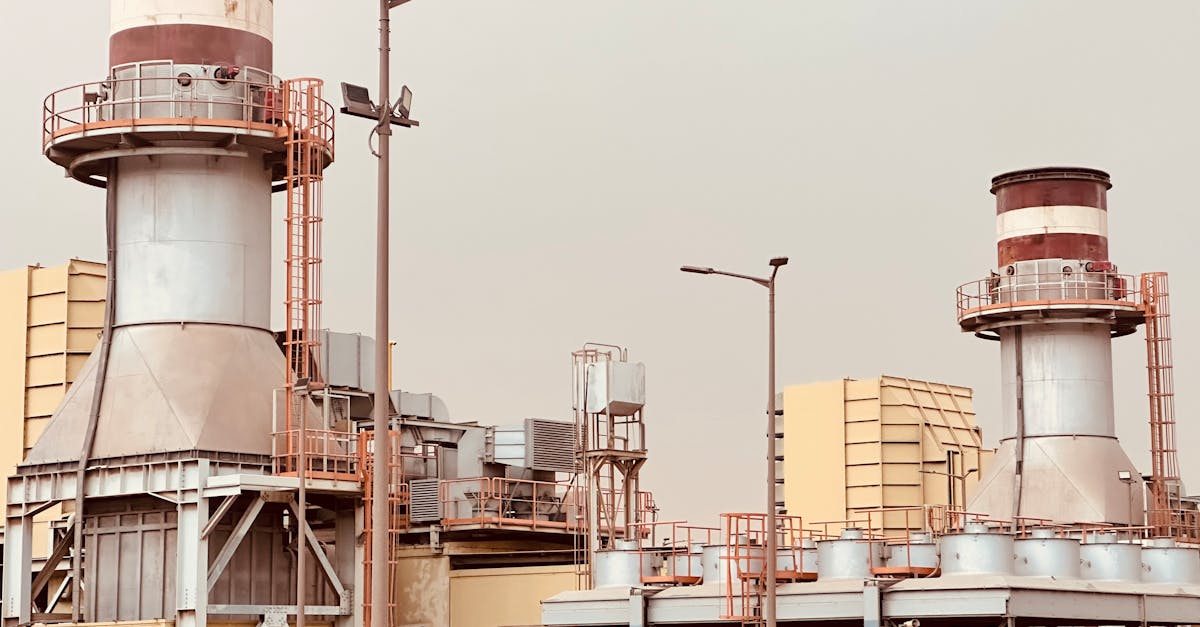
2023 highlighted how many so-called green hydrogen projects still draw power from grids dominated by coal. Green hydrogen is only as sustainable as the electricity that powers its production, and when the grid is fossil-heavy the fuel inherits that footprint.
What 'Green Hydrogen' Really Means for Green Energy and Sustainability
In my work with early-stage electrolyzer firms, I quickly learned that the word "green" is a moving target. Think of it like a kitchen blender: if you power the blender with electricity from a coal plant, the smoothie you make is still loaded with coal-derived carbon, no matter how fresh the fruit is.
The carbon intensity of the electricity used to split water determines the entire lifecycle emissions of the resulting hydrogen. If the local grid is 60% coal, each kilogram of hydrogen carries that fossil footprint forward. This is why the sustainability debate hinges on the regional energy mix - not on a marketing label.
Hourly matching of renewable generation to electrolyzer operation is the gold standard. In practice, many projects run 24/7 on a grid that fluctuates between wind, solar, and baseload coal. Without a rigorous hour-by-hour audit, the promised net-zero fuel collapses into a conventional carbon source with a greener badge.
When I toured a European pilot plant, the operators admitted they relied on grid power during off-peak hours because dedicated renewables were not yet built. Their "green" hydrogen still reflected the grid’s average emissions factor. This gap between branding and reality fuels the skeptical view that green energy is not truly sustainable when hydrogen is involved.
Key Takeaways
- Hydrogen inherits the carbon intensity of its electricity source.
- Hourly renewable matching is essential for true sustainability.
- Regional grid mixes decide if hydrogen can be net-zero.
- Brand labels often hide underlying fossil emissions.
In short, the green label depends entirely on the carbon intensity of the electricity used to split water; if the grid powering the electrolyzer is 60% coal, the resulting hydrogen inherits that fossil-fueled footprint. This foundational flaw is why the sustainability debate hinges on local energy infrastructure, forcing you to ask if your region’s mix can deliver a net-zero fuel, not just a politically branded one.
The Silent Carbon Costs in the Hydrogen Supply Chain
When I dug into the supply chain for electrolyzer components, the hidden emissions started to stack up. Mining rare metals like platinum and iridium for catalysts consumes massive amounts of energy, often sourced from fossil-heavy grids. Manufacturing high-purity membranes and pressure vessels adds another layer of indirect CO₂.
Transporting bulky compressed hydrogen - whether by pipeline or cryogenic tanker - requires energy for compression, liquefaction, and moving heavy loads across continents. Those logistics can add 20-40% to the total carbon cost of the fuel, according to the study Green Hydrogen Drive Could Backfire without Supply Chain Overhaul, Study Says. That figure illustrates why the ‘green’ claim evaporates if we ignore the entire value chain.
Every kilometer of specialized pipeline or fleet of cryogenic tankers needs its own energy audit, creating a web of Scope 3 emissions that most corporate sustainability reports conveniently omit. I’ve seen companies claim zero-emission hydrogen while their logistics team is still burning diesel to move the product.
Recycling catalysts and membranes is still in its infancy. Without a circular supply chain, we risk swapping oil dependence for a new resource crunch, producing mountains of high-tech waste that undermine the core premise of a sustainable system.
"The hidden carbon cost of electrolyzer materials and hydrogen transport can erase up to 40% of the claimed emissions savings," the study warns.
In my experience, addressing these silent carbon costs requires more than a green label; it demands transparent lifecycle assessments and a commitment to circularity across the entire supply chain.
Why Your Electric Bill Decides If Hydrogen Is Green Energy Sustainable
Regulatory frameworks shape who foots the bill for grid upgrades that enable renewable-heavy hydrogen hubs. In Ohio, recent policy rewrites earmarked a portion of utility revenues for dedicated renewable build-outs, while Nigeria’s draft legislation is still debating whether hydrogen projects can tap existing power for cheap export.
When heatwaves spike demand and cause negative power prices - as seen in Europe - hydrogen facilities drawing from the grid can paradoxically increase fossil fuel burn elsewhere. The grid operator must dispatch additional coal or gas plants to balance the system, turning a seemingly green operation into a carbon-intensive one.
From my perspective as a consultant on utility-scale projects, the volatility of your electric bill becomes a direct sustainability metric. If the grid is congested and utilities prioritize household consumers over hydrogen hubs, the project must either pay premium rates for clean energy or settle for cheaper, carbon-heavy power.
Investor profit motives of utilities, highlighted in recent reports on rising bills, clash with the need for dedicated, low-cost renewable megawatts. This tension puts the financial model for truly green hydrogen perpetually at risk, unless policy mandates “additionality” - new renewable capacity built specifically for hydrogen production.
In practice, I’ve watched projects scramble for power purchase agreements (PPAs) that guarantee renewable electricity. When those PPAs are unavailable, developers fall back on market purchases that reflect the grid’s average mix, eroding the sustainability claim.
Building a Green Energy for Life System, Not a Single Product
True sustainability means treating hydrogen as a grid-balancing tool, not a standalone fuel. Imagine a household battery that only stores excess solar during the day; now scale that concept to a seasonal storage system that absorbs surplus wind in winter. That’s the vision of a "green energy for life" ecosystem.
Sector coupling is the key. By integrating hydrogen storage with industrial heat, heavy transport, and smart home energy management, we create a flexible, resilient network. In my recent project with a steel mill, we used electrolyzer output to supply high-temperature heat during off-peak solar periods, shaving off both fuel costs and emissions.
The goal is to let hydrogen act as a seasonal battery, smoothing the transition away from fossil fuels and locking in long-term energy security against geopolitical shocks. When renewables generate more than the grid can absorb, excess power diverts to electrolyzers, producing hydrogen that can later be burned or fuel-cell-generated during low-renewable periods.
Designing this ecosystem requires coordination across utilities, industry, and policymakers. I’ve seen pilot programs where data platforms share real-time grid capacity, allowing hydrogen producers to ramp up only when renewable excess is confirmed. That level of orchestration turns hydrogen from a single product into a systemic solution.
Ultimately, a green energy for life approach reframes hydrogen as an integral part of the energy mix, amplifying renewable profitability and penetration for everyone - not just a niche fuel for niche markets.
The Path Forward: Honest Math and Hard Infrastructure Choices
First, stop accepting "green" as a marketing term. Demand lifecycle emissions assessments published per kilogram of hydrogen, with full supply chain transparency from mine to end-use. The recent study in Nature Communications Sustainability urges such transparency.
Second, advocate for policies that mandate "additionality" - requiring new renewable builds specifically for hydrogen, not just claiming credits from existing solar farms. Without additionality, the fuel merely shifts emissions elsewhere.
Third, recognize that the current geopolitical scramble, intensified by the Iran war, offers a fleeting window to build the right infrastructure. Prioritizing resilient, localized supply chains over cheap, carbon-intensive imports will prevent a backfire that turns green hydrogen into another source of emissions.
In my experience, the hardest choices involve allocating land for renewable farms versus expanding transmission lines. Those decisions determine whether hydrogen can truly be a sustainable energy carrier or remain a branded add-on.
By grounding the discussion in honest math, transparent data, and strategic infrastructure, we can move beyond hype and make green hydrogen a genuine pillar of a sustainable energy future.
Frequently Asked Questions
Q: Does green hydrogen actually reduce emissions?
A: It can, but only if the electricity powering electrolysis comes from low-carbon sources and the entire supply chain is accounted for. When the grid is coal-heavy, the hydrogen inherits those emissions, nullifying the benefit.
Q: What are the biggest hidden emissions in hydrogen production?
A: Mining rare metals for catalysts, manufacturing high-purity components, and transporting compressed or liquefied hydrogen add significant carbon, often 20-40% of the total lifecycle emissions.
Q: How does my electricity bill affect hydrogen sustainability?
A: If the grid is congested and utilities charge higher rates for clean power, hydrogen producers may resort to cheaper, fossil-heavy electricity, turning a green label into a carbon source.
Q: What is "additionality" and why does it matter?
A: Additionality means building new renewable capacity specifically for hydrogen, rather than counting emissions reductions from existing plants. It ensures hydrogen expands clean energy, not just reallocates it.
Q: Can hydrogen be part of a "green energy for life" system?
A: Yes, when hydrogen is used as seasonal storage and integrated with industrial heat, transport, and smart home energy, it helps balance the grid and boosts renewable penetration, creating a resilient, sustainable ecosystem.


